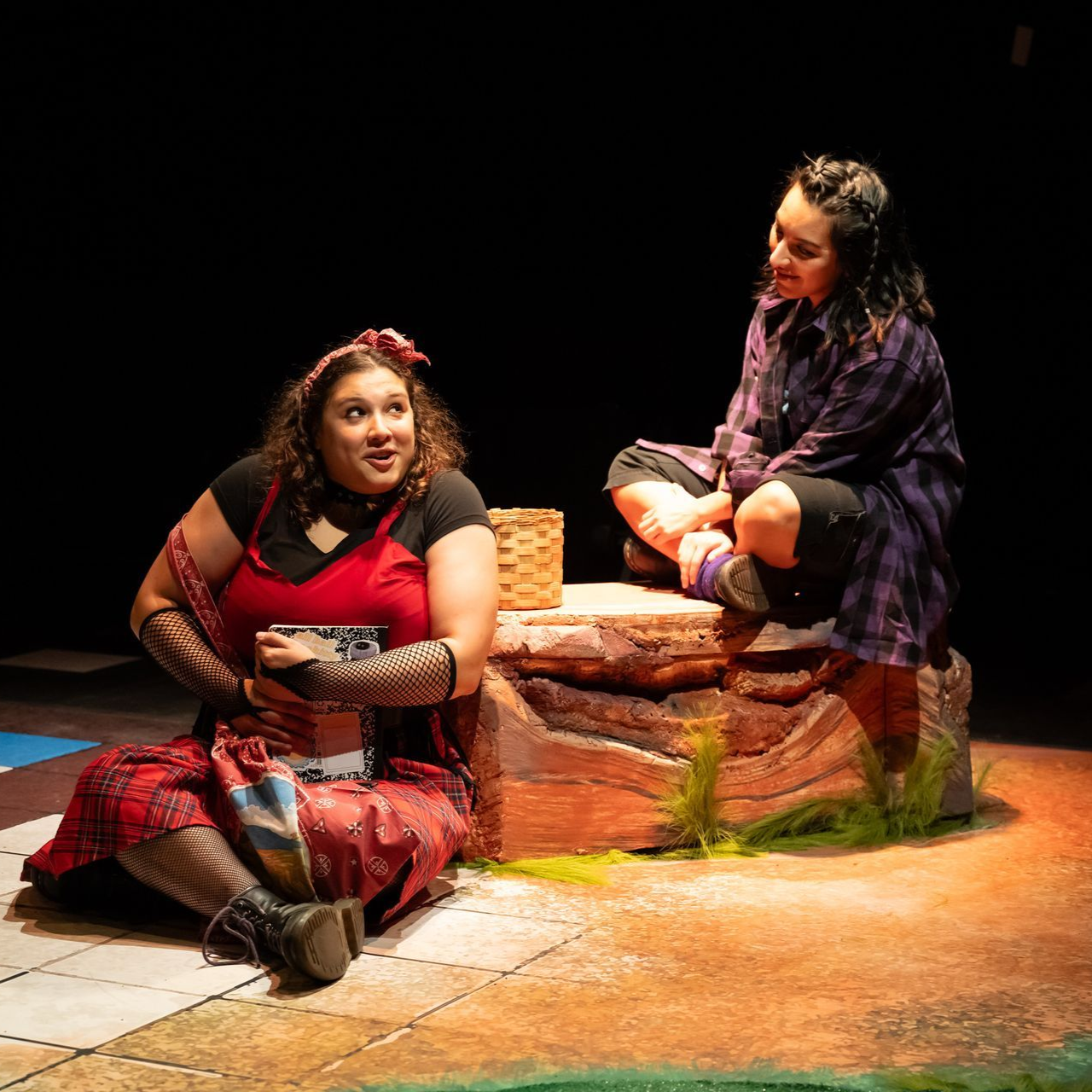
Arena Stage, Mosaic Theater Company, Theater Alliance, and Woolly Mammoth to join in readings of plays by Native American writers that address the crisis of violence facing Indigenous people in the Americas.
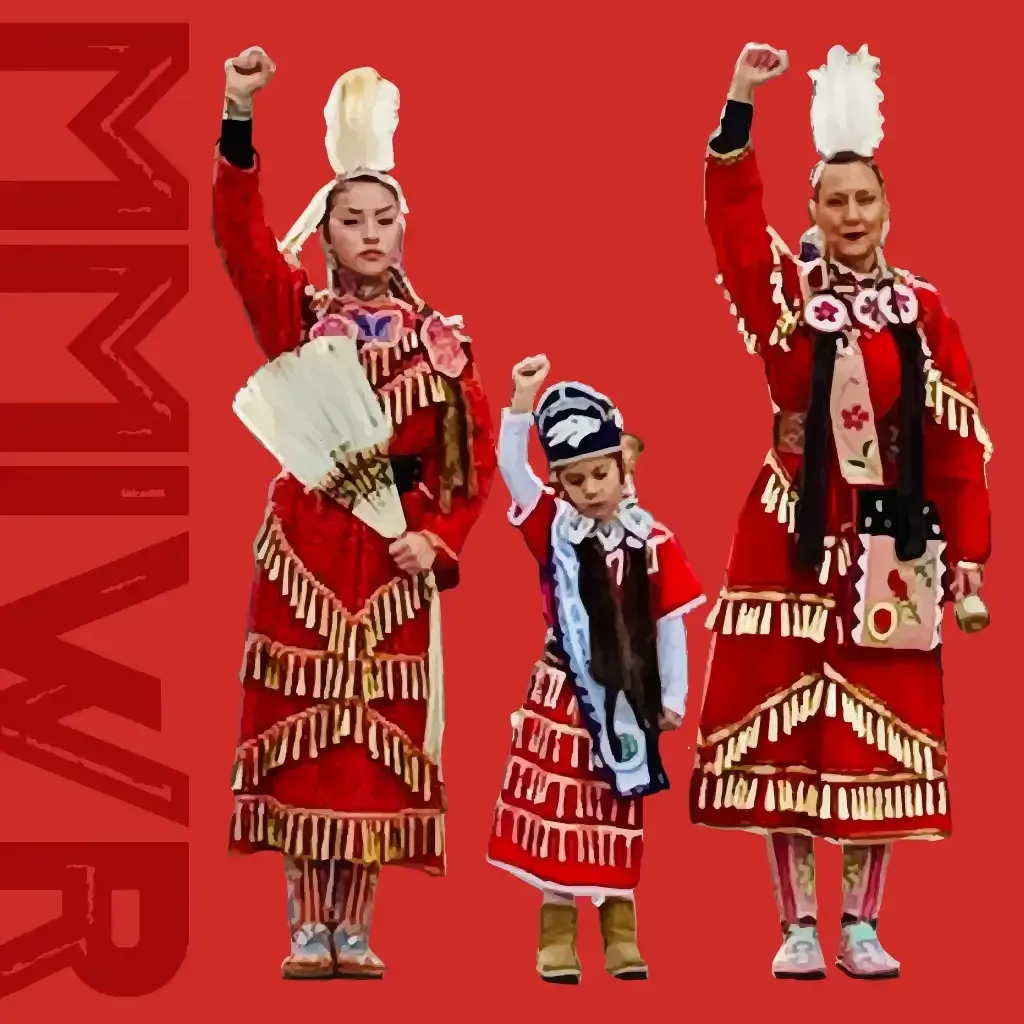
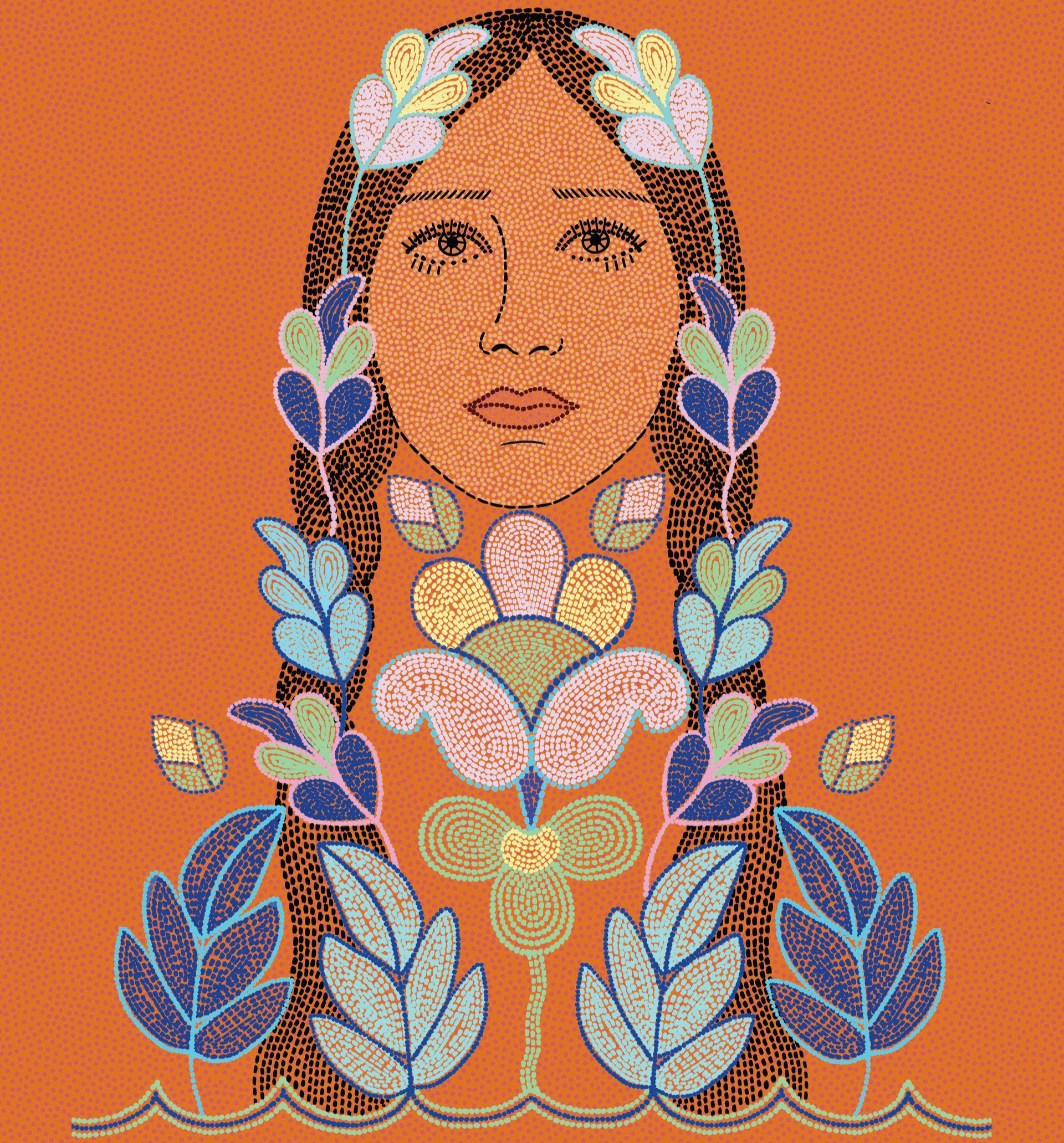
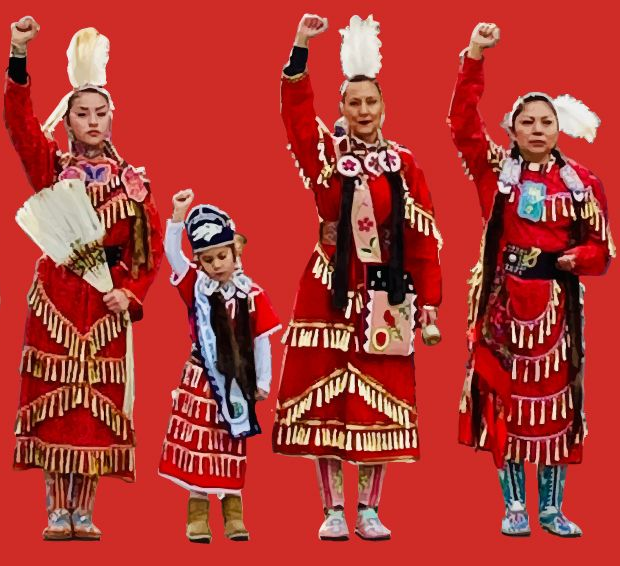
Theatres are stepping up for a national series of play readings by Indigenous writers, set for May 5, 2026, National Day of Awareness for Missing and Murdered Indigenous Women and Relatives.
Congress passed the Native American Graves Protection and Repatriation Act ( NAGPRA ) in 1990. The law acknowledged that human remains, and cultural items removed from federal or tribal land belong first to the descendants of the people who lived in those homelands and created those cultural and spiritual items. In other words, contemporary federally recognized tribes and Native Hawaiian organizations could — finally — bring ancestors home. Native people often consider all remains and cultural objects as ancestors, in recognition of unbroken and spiritual kinship ties. The law established guidelines and frameworks for identifying descendancy and mandated compliance from any public or private institution receiving federal funds.
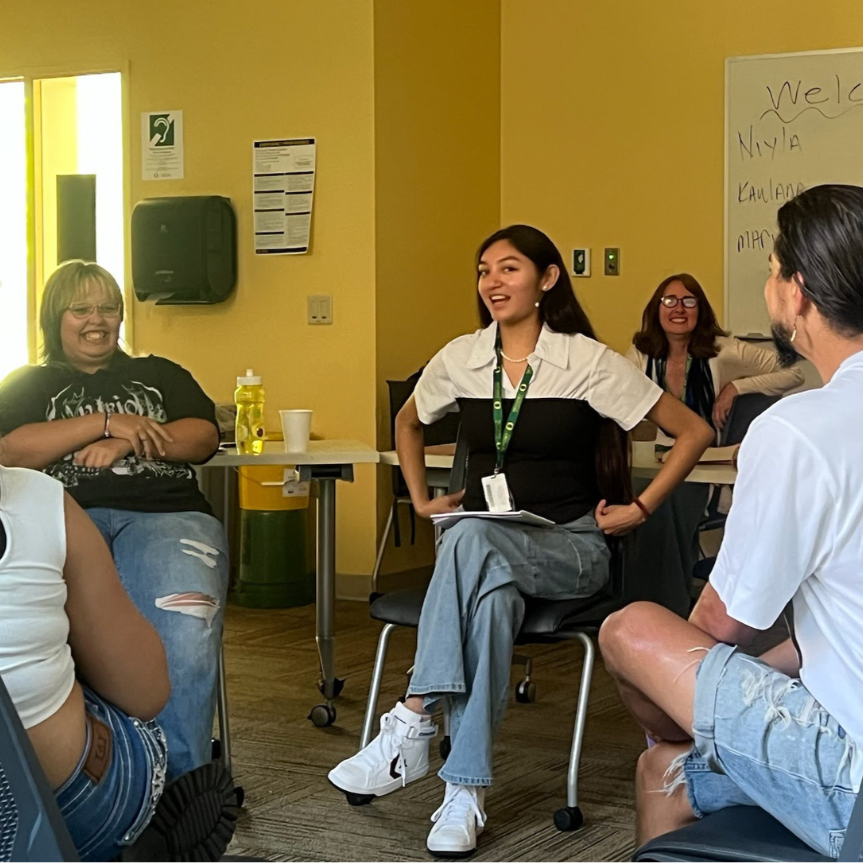
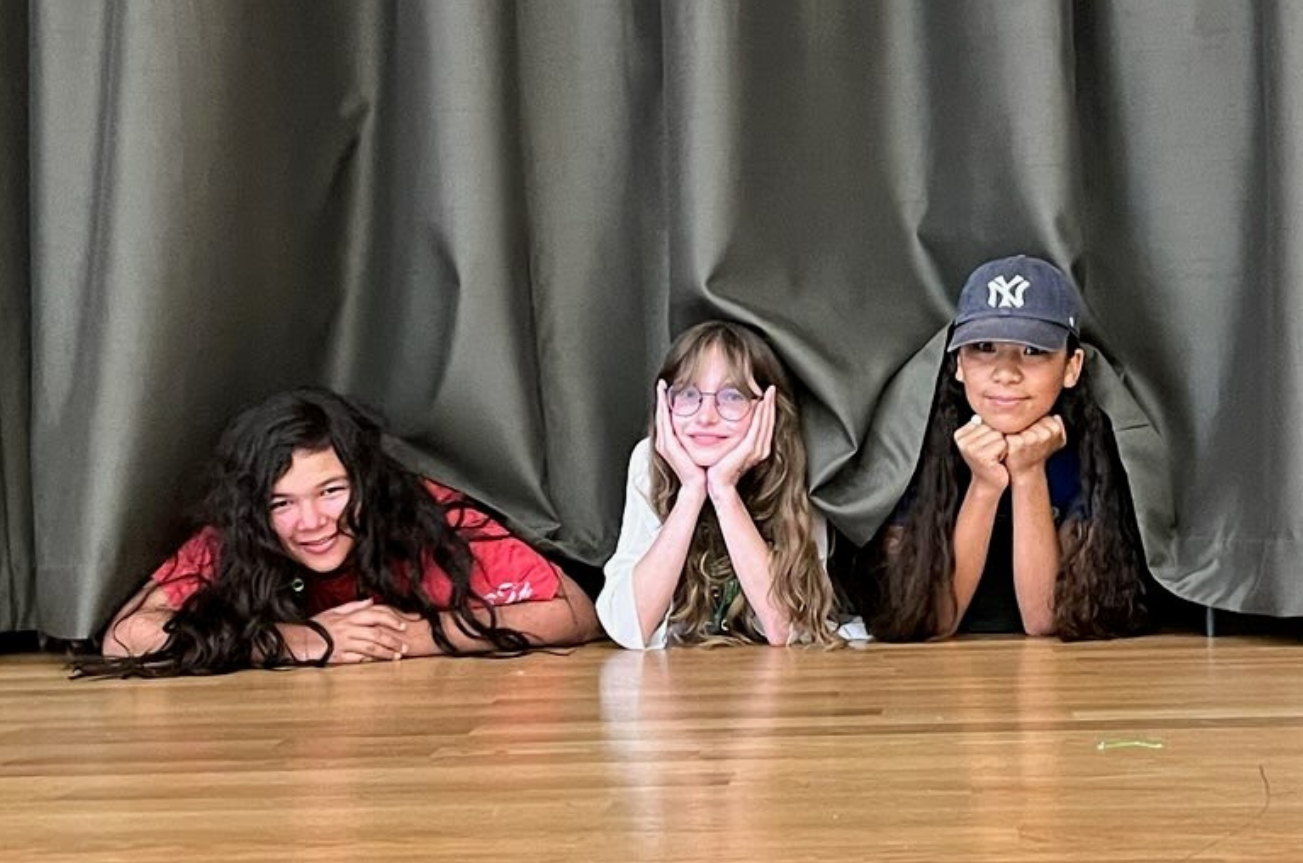
OPB's Think Out Loud: Dave Miller interviews Jeanette Harrison and two students, Niyla Willow and Gia Fisher, about NPAN's annual summer camp. Miller: Jeanette, first. Why did you decide to help start this camp? Harrison: Well, the thing that we all keep saying is, we are building the program that we wish that we had had as students. We had to fight so hard to find our way to other Native theater artists, to Native storytelling, and it wasn’t something that was supported in most institutions. So I think one of the great joys, now, at this moment in time, is being able to build the program of our dreams. Miller: Well, Jeanette, just to stick with you for a second – what did that mean for you? I mean, when you were a young person interested in theater, what was the terrain like for you? Harrison: It was very western-centric. I went to school at a top research university with one of the best libraries in the entire country, and it wasn’t until after I graduated from college that I found my way to Spiderwoman Theater collective, and Bill Yellow Robe, and all these plays by Native writers. Nobody in college could point out a single Native play and – not to date myself – this was really before Google was a thing. So it was actually really hard to find work. I think that one of the joys now is that there is so much work being created, and our communities are so incredibly talented, and just finding more ways for that work to get out into the world. Miller: Gia, why did you want to go to this camp? As I mentioned, this is now your third year. Gia Fisher: I initially wanted to join this camp because it’s simply amazing that Natives are running this, and that I can meet other Native kids my age and create these amazing pieces of art. It’s just amazing, the family I’ve built here and I’m very grateful.